How Road Salt and Ice Melt Damage Your Driveway in Illinois (And How Pressure Washing Helps)
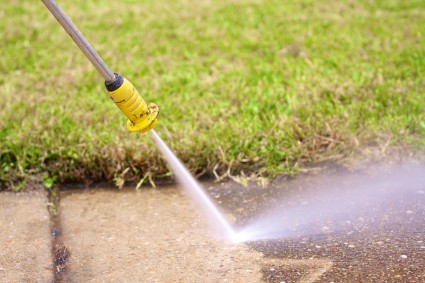
Each Illinois winter brings salt trucks, slush, and the steady creep of white residue across concrete, brick, and pavers. That chalky film is more than a stain. It signals chemical activity that shortens surface life. This guide explains what salt and ice melt do to your driveway and how professional driveway pressure washing in Illinois protects your investment. If you want a clean, longer‑lasting surface, schedule our local power washing service before spring swings fully into gear.
Why Salt And Ice Melt Harm Concrete, Brick, And Pavers
Most Illinois roads get treated with rock salt and liquid brine when temps drop. Common deicers include sodium chloride, calcium chloride, and magnesium chloride. These chemicals draw moisture into pores and joints. When temperatures bounce above and below freezing, that trapped water expands and contracts, breaking down surfaces from the inside.
On concrete, the first signs are scaling and pop‑outs. Chlorides also reach steel inside reinforced slabs, speeding corrosion. Brick faces can flake and spall as salts wick into the fired surface. Paver driveways suffer washed‑out joint sand, hazy efflorescence, and shifting blocks. Left alone, stains become pits, pits become cracks, and cracks invite more water and more damage.
What Damage Looks Like On Illinois Driveways
Not sure if salt is taking a toll? Walk your driveway after a thaw and look for these clues.
- White crust or streaks that return quickly after rain, especially near the street apron and garage door.
- Shallow flaking on concrete called scaling, plus small round “pop‑outs” where aggregate shows.
- Rust‑tinted spots on older slabs that hint at rebar corrosion below.
- Brick faces that look powdery or start to chip at the edges.
- Pavers with hazy film, low joints, or a wobbly feel underfoot.
Do not ignore white salt film after a storm. It is a sign that chlorides are still active on and inside the surface.
How Professional Power Washing Protects Your Driveway
Effective winter recovery is about chemistry, flow, and control. A pro team pairs targeted detergents with the right water volume to lift salts, road grime, and ice melt additives off the surface and out of the pores. We use surface cleaners on open concrete for even results and adjust pressure to stay within safe limits for brick and pavers. The goal is thorough removal of chlorides without etching, feathering, or blowing out joints.
When needed, technicians apply a salt‑neutralizing pre‑treatment so residues release cleanly, then rinse with controlled passes that push contamination off the driveway instead of back into it. On pavers, careful cleaning helps reset the field for proper re‑jointing by a hardscape professional if needed. Let trained pros neutralize chlorides safely. That prevents hidden residues from reappearing as white haze a week later.
Ready for a driveway that looks clean and stays clean longer? Our local team handles it with care through our proven pressure washing process built for Midwest winters.
Why Timing Matters In Central Illinois
In Charleston, Mattoon, Champaign, Decatur, Danville, and Effingham, temperatures often seesaw from February into April. That means repeated freeze‑thaw cycles right when road crews rely on salt and brine. Cleaning late winter into early spring helps stop the cycle before warm days pull more chlorides deeper into your driveway.
Schedule cleaning before spring freeze‑thaw swings peak. A timely wash cuts down on scaling, protects joints, and improves traction when mornings refreeze after daytime melt.
Concrete, Brick, And Pavers: What Pros Do Differently
Concrete Driveways
Concrete can handle flow but not careless force. Pros use even, overlapping passes with a surface cleaner to avoid wand marks and tiger striping. Pre‑treatments target oily road film plus chlorides near the curb cut where plows push slush. Rinses are routed away from landscaping. After a professional cleaning, many homeowners consult a finishing specialist about penetrating sealers designed for freeze‑thaw climates to help resist future salt intrusion.
Brick Steps And Walkways
Brick faces are strong yet brittle at the surface. High pressure can pit them quickly. A soft approach with the right detergent loosens salt crust and soot without chewing up the fired face or mortar edges. Joints get gentle rinses to keep grains in place. Avoid high‑pressure blasts on brick and pavers. That habit causes long‑term damage faster than any winter storm.
Pavers move a little with seasons. Cleaning supports that system by lifting residues without dislodging bedding sand. A controlled rinse carries runoff toward the street, not through your planting beds. If sand loss is visible, a hardscape contractor can re‑sand and set polymeric joints after the surface is fully clean and dry.
The Science Of Salt: What’s On Your Driveway
- Sodium chloride: Common rock salt. Drives freeze‑thaw cycles and leaves a gritty white film.
- Calcium chloride: Melts faster at lower temps but can superheat on wet concrete and worsen scaling.
- Magnesium chloride: Liquid brine that creeps into pores and elevates moisture content.
- Sand and fines: Add traction but grind micro‑scratches that hold more contamination.
Mixed together, these create a sticky slurry that stains, attracts more moisture, and accelerates surface wear. Professional cleaning breaks that loop and resets the surface for the next season.
Results You Can See And Benefits You Keep
The payoff goes beyond curb appeal. Right after a proper cleaning, many homeowners notice tighter traction, fewer dusty footprints in the garage, and less white haze creeping back up the driveway. Here is what a timely wash delivers:
Better safety at the apron and walkway where meltwater refreezes overnight, a cleaner surface improves grip. It also reduces the residue that gets tracked into your home.
Cleaner expansion joints that move as designed. When joints are clogged with salt paste and fines, they cannot absorb movement, which leads to random cracking and spalling.
Healthier brick and pavers. Removing chlorides and grime allows these materials to dry evenly after storms so the color stays crisp and joints remain stable.
Protection for reinforced concrete. Keeping chlorides away from steel helps slow the rust cycle that causes hidden swelling and surface pop‑outs.
Local Context: What We See Across Illinois Homes
Driveways near busy streets in Champaign or Decatur tend to show heavier curb‑line scaling. Rural properties around Mattoon and Charleston often see deep tire‑track staining as gravel and salt grind into the surface. In Danville and Springfield, plow berms leave thick deposits at the end of the apron that need special attention in early spring.
Keeping your exterior clean pays off beyond the driveway. For example, many homeowners learn that insurance companies are noticing dirty roofs, which is one more reason to maintain the entire envelope of your home. If you are planning seasonal upkeep, these top reasons to hire a Danville roof cleaning service show how a clean roof and a clean driveway work together to boost curb appeal.
When Should You Book In Late Winter And Spring?
On average, Central Illinois warms enough for a thorough wash between late February and early April, depending on the year. Aim for a stretch of dry weather so the surface can dry out after cleaning. That timing also helps remove residues before April rains pull them deeper into pores.
If you are weighing the best time to act, consider the simple rule of thumb: once daytime highs reach the 40s and the salt trucks slow down, it is smart to remove what winter left behind. That one step can add years of life to your concrete, brick, and paver surfaces.
Choose A Local Illinois Team You Can Trust
Midwest Softwash and Pressure Wash is your neighborhood softwash and power washing specialist serving Charleston, Mattoon, Champaign, and nearby communities. To see what our team can do for your home, browse our site starting with driveway pressure washing in Illinois and then talk with a real person at 217-218-6453. When you are ready, our pressure washing pros will build a plan that fits your surface and the season.
Protect your driveway before damage becomes visible. Call 217-218-6453 to book a visit with Midwest Softwash and Pressure Wash and get your home ready for the next freeze‑thaw swing. Contact us for power washing in Illinois.